

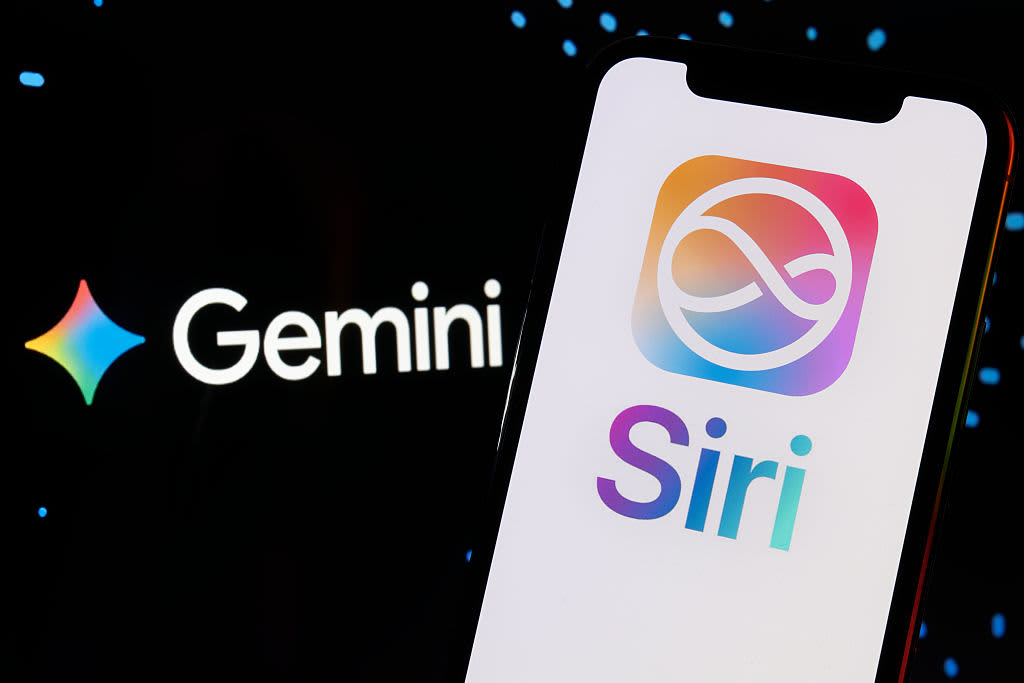
Apple officially announced a multi-year partnership with Google on January 12, 2026. The deal establishes Gemini 3 as the primary engine for the next generation of Apple Foundation Models, aiming to fix the long-delayed overhaul of Siri. While OpenAI remains a secondary partner for specific tasks, Google’s technology will now serve as the core logic for Siri’s “personal context” awareness and the new ‘World Knowledge Answers’ feature. Apple confirmed the upgraded assistant is slated for a spring 2026 release, likely arriving with iOS 26.4 in March.
This collaboration follows a period of internal “AI turmoil” that led to a significant leadership reshuffle. John Giannandrea, Apple’s AI chief since 2018, will retire in spring 2026, with former Microsoft executive Amar Subramanya taking over as Vice President of AI. Additionally, Mike Rockwell, the architect of the Vision Pro, has been tasked with overseeing Siri’s product development.
The Evolution of Siri: From First Mover to Generative AI
When Siri debuted on the iPhone 4S in 2011, it was a revolutionary moment for the “intelligent assistant” category. Originally an independent app acquired by Apple for an estimated $200 million, Siri was the first to bring voice-controlled tasks to the masses. However, in the decade that followed, the assistant often faced criticism for its rigid responses and lack of conversational depth compared to rivals like Alexa or Google Assistant.
Despite numerous iterative updates and the 2018 hiring of Giannandrea from Google to consolidate Apple’s machine learning efforts, the “intelligence” of Siri remained largely bound by pre-programmed commands. What’s more, the rise of large language models in 2023 forced a reckoning, as Siri began to look increasingly antiquated next to generative tools like ChatGPT.
The 2026 pivot to Google’s Gemini represents the most radical change in the assistant’s history, moving away from a purely in-house development model to a “hybrid” approach.
[H/T] The Verge
*Cover image credit: CNBC