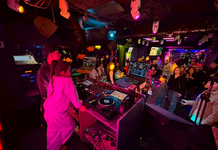
Photo Credit: Colin Boyle/Block Club Chicago
A Chicago alderman is pushing back against large-scale electronic music festivals after noise complaints from residents followed the inaugural Lakeshore Arts & Music Festival.
Following the two-day event in Lincoln Park, Alderman Timmy Knudsen announced he intends to work with city officials to prevent similar festivals from returning to his ward, citing concerns over noise levels, nearby residential areas, and the festival’s proximity to sensitive locations such as North Pond Nature Sanctuary and local hospitals.
The comments have sparked debate among festivalgoers and local residents alike, raising questions about where large electronic music events belong in one of America’s most vibrant music cities.
Complaints Follow Lakeshore Festival Debut
The inaugural Lakeshore Arts & Music Festival took place June 19-20 in Chicago’s Lincoln Park, featuring headliners including Elderbrook and D.O.D alongside more than 50 local electronic music artists across multiple stages. Organizers promoted the event as Chicago’s newest EDM festival, bringing house, bass, and techno music to the city’s lakefront.
However, after the festival concluded, some nearby residents complained that bass frequencies carried several blocks through the neighborhood for hours each day. According to reports, Knudsen said his office is now in discussions with the city’s Department of Cultural Affairs and Special Events about preventing future festivals of a similar scale from taking place within the ward.
A spokesperson for the alderman’s office reportedly clarified that the concern is not live music itself, but rather events with “this magnitude, duration, and sound profile” in a densely populated neighborhood.
Not Everyone Supports A Ban
The proposal has drawn mixed reactions from the electronic music community.
Some residents supported the alderman’s concerns, arguing that the festival’s location was not appropriate for an event featuring powerful sound systems so close to homes, wedding venues, and the nearby nature sanctuary. Others suggested the event could simply be relocated to more established festival grounds such as Grant Park, Northerly Island, or Montrose Beach rather than eliminated altogether.
Many dance music fans, meanwhile, criticized the idea of a blanket ban, arguing that one festival should not determine the future of electronic music events throughout the ward. Several commenters also questioned whether permitting, site selection, and sound management—not the existence of festivals themselves—were the real issues.
A Delicate Balance Between Festivals And Neighborhoods
The debate highlights a challenge many cities continue to face as music festivals expand into urban spaces.
While electronic music events generate tourism, support local businesses, and create opportunities for artists, they can also create friction with residents when sound carries into nearby neighborhoods. Organizers often work alongside city officials to establish curfews, sound limits, and operational plans, but balancing economic benefits with community concerns remains an ongoing challenge.
Chicago, widely recognized as the birthplace of house music, hosts numerous major festivals each year, including Lollapalooza, ARC Music Festival, Sueños, Beyond Wonderland Chicago, the Chicago House Music Festival, and Riot Fest. The city’s long history with live music has made it one of North America’s premier festival destinations, making any discussion about limiting future events particularly noteworthy.
What Happens Next?
At this stage, no official ban has been enacted, and no final decision has been made regarding the future of the Lakeshore Arts & Music Festival.
The proposal remains part of ongoing discussions between the alderman’s office and city officials. Whether the festival returns in 2027—or potentially relocates to another venue—has yet to be determined.
For now, the conversation serves as another reminder of the growing challenges cities face as electronic music festivals continue to evolve alongside the communities that host them.