


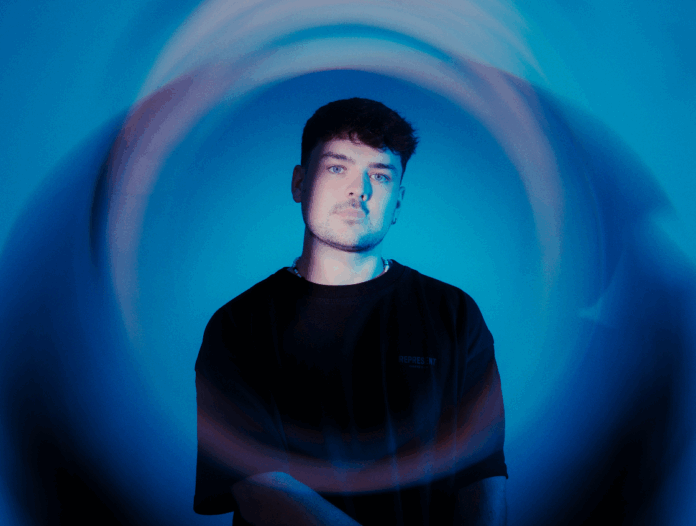
In electronic music, impact often happens in places the audience never sees. Some artists build their profile through visibility; others influence the scene through years of work behind the desk. Jay Pryor belongs to the latter group, a producer whose contributions have long reached global audiences without carrying his name directly. With the release of “Funk 2 Da” on Realm Records, the label founded by Gorgon City, Pryor steps into a more public phase of his career. The single marks a shift from supporting roles toward a clearer expression of his own identity.
Pryor began developing his sound in Dublin before entering larger writing and production circles. His early breakthrough came as a co-producer on “Just Hold On,” the Louis Tomlinson and Steve Aoki collaboration that reached more than 600 million streams and earned multiple platinum certifications. This placed him inside major projects early on, and in the years that followed he contributed to work involving Diplo, ZAYN, Niall Horan, Alan Walker, Anne-Marie, and Alok. Across these collaborations he built a reputation for clean production, balanced structure, and reliable execution. Even with more than a billion streams and over a million monthly listeners, Pryor’s individual artistic identity remained separate from the high-profile cuts he helped shape. His early catalog, including “Say Something,” “Good For Me,” and “Space Jam,” hinted at possible directions but lacked the focused definition he is now embracing. “Funk 2 Da” changes that dynamic.
Realm Records has become a home for artists who value rhythm, clarity, and functionality in their house productions, and Pryor’s recent stylistic shift moves him closer to that aesthetic. The connection to Realm began when Dom Dolla started playing “Funk 2 Da” in his sets, giving the record early real-world testing. Strong crowd reactions helped pave the way for the signing. The release represents an alignment between Pryor’s personal sound and a label that mirrors the style he gravitates toward.
“Funk 2 Da” is defined by a certain level of holding back. Rather than stacking multiple layers or aiming for oversized drops, Pryor builds the record around a centered bassline, clipped vocal accents, and clean, forward-moving percussion. The arrangement remains minimal, with each element serving a clear purpose. Its momentum comes from pacing rather than density, reflecting Pryor’s understanding of both pop structure and club functionality. The result is a straightforward track that works not because of what it adds, but because of what it intentionally leaves out. It reveals a producer confident enough in his craft to focus on essentials.
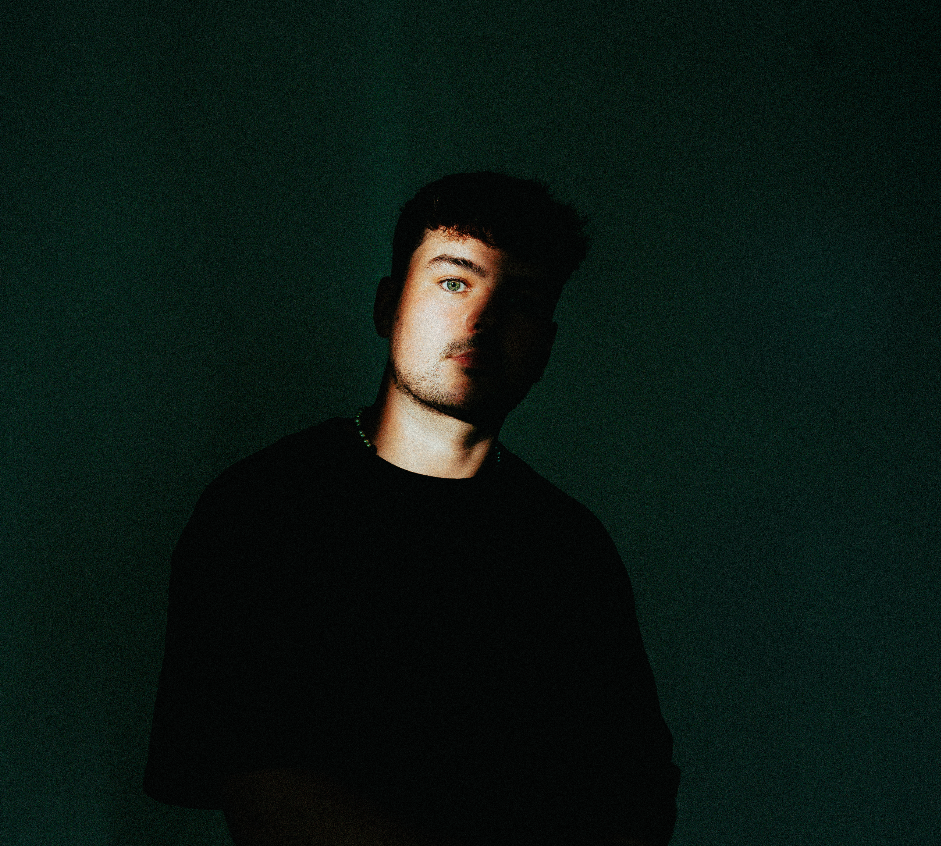
Pryor’s work spans Los Angeles, Dublin, London, and Sydney, and each environment has demanded different creative modes. Writing for major artists requires clarity, precision, and structure, while crafting club records requires repetition, tension, and flow. Over time he learned to merge these approaches instead of choosing between them. That blend explains why his productions attract support from a wide range of artists including John Summit, Gorgon City, Cloonee, Skream, Tiësto, Diplo, and Chris Lake. His tracks are adaptable, built simply yet sturdy enough to fit across varied styles and settings.
The deeper transition behind Pryor’s recent output is personal. After years of shaping music for others, the essential question became what he wanted his own work to sound like. “Funk 2 Da” doesn’t attempt to summarize his whole career; instead, it represents a decision to trust his instincts more directly. Leaning heavily on the pop sensibilities he mastered, Pryor refocuses on rhythm, movement, and simplicity here in a beautiful manner. The clarity in the production mirrors a growing clarity in direction.
“Funk 2 Da” points toward a period of greater visibility for Jay Pryor. His foundation is already solid, with major collaborations, strong streaming numbers, and continued support from established DJs. What changes now is the emphasis on his own releases. The single marks a subtle but important shift from being a contributor to becoming a central voice in his own body of work. His next steps appear guided by the same traits that shaped his years behind the scenes: careful decision-making, clean execution, and confidence in the strength of simple ideas.